tarenliang@gmail.com / tatianpu@163.com

156-0548-8288


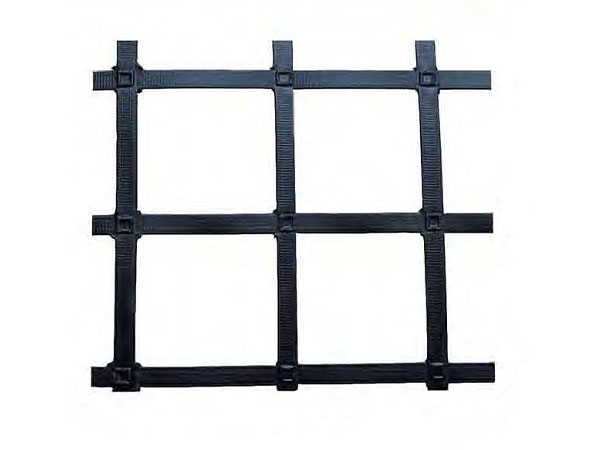
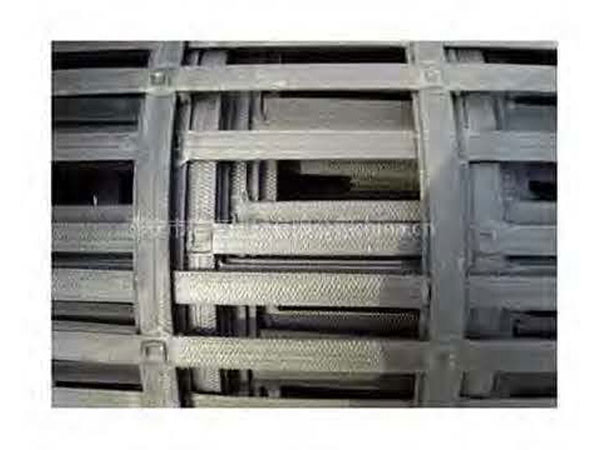
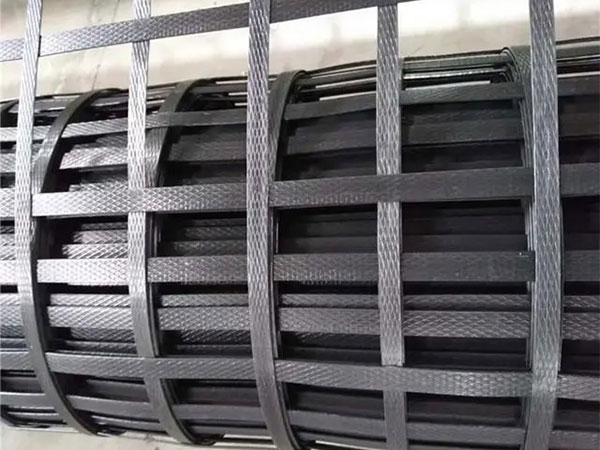
Steel-plastic composite geogrid, the use of high-strength steel wire and polyethylene (PE) or polypropylene (PP) raw materials, through melting extrusion into a composite high-tensile strength strip, the surface pressure has a rough pattern, that is, high-strength reinforced earth belt, the geogrid according to a certain distance, by vertical and horizontal arrangement, the node is welded by ultrasonic welding machine for steel-plastic composite geogrid. The strength of the geogrid can change the tension of the belt and adjust the number of the belt to form different specifications and models to ensure the effective interlock of the geogrid in the soil and meet different engineering needs.
Applicable engineering fields: highway, railway, abutment, wharf, dam, storage yard and other soft soil foundation reinforcement, retaining wall and pavement anti-crack engineering.
Project | Specification | |||||
50-50 | 60-60 | 80-80 | 100-100 | 120-120 | 150-150 | |
Mass per unit(g/m2) | ≥670 | ≥750 | ≥930 | ≥1170 | ≥1500 | ≥1850 |
Longitudinal and transverse nominal tensile strength(KN/m) | ≥50 | ≥60 | ≥80 | ≥100 | ≥120 | ≥150 |
Longitudinal and transverse nominal elongation(%) | ≤3 | |||||
Maximum separation force at the connection point(N) | ≥300 | |||||
Inner hole size(mm) | A≤180,B≤180 | |||||
Width of a single strip(mm) | ≥12.0 | |||||
Thickness of a single strip(mm) | ≥2.0 | |||||
Width deviation(%) | ±1 | |||||